Moving Out of a San Antonio Apartment and Getting Your Security Deposit Back
Moving out of an apartment comes with one last bit of business that many renters care about more than anything else on the list, and that’s getting the security deposit back. It often arrives just when the costs of a new place are piling up, so it’s worth knowing how the process works in Texas before you hand over the keys. At Veteran’s Best Movers we put this guide together to walk through what Texas law says about deposits and the simple steps that give you the best chance of seeing yours again. We’re movers and not lawyers, so please treat this as a friendly overview rather than legal advice, and read your own lease closely.
In short
Under the Texas Property Code, your landlord generally has 30 days after you move out to refund your deposit or send a written, itemized list of deductions, but give your forwarding address in writing, because the landlord doesn’t have to send anything until you do. Landlords can’t charge you for normal wear and tear, so photograph the apartment on your way out and keep copies of everything.
The 30 day rule

The rules for security deposits in Texas live in Chapter 92, Subchapter C of the Texas Property Code. The heart of it is Section 92.103, which says the landlord “shall refund a security deposit to the tenant on or before the 30th day after the date the tenant surrenders the premises.” In everyday terms, the clock usually starts when you move out and turn in your keys.
There is an important exception to that rule, which is the forwarding address, and it is the step renters most often forget.
Give your forwarding address in writing
Section 92.107 says the landlord isn’t obligated to return your deposit, or to send a written description of any damages and charges, until you give the landlord a written statement of your forwarding address. A quick mention to the leasing office on your way out isn’t enough, so put it in writing, whether that’s a letter, a form from the office, or whatever method your lease asks for, and keep a copy for yourself.
The address doesn’t have to be your new home. The renter’s guide on TexasLawHelp.org explains that it only needs to be a reliable place to receive mail, which can be helpful if you’re moving into a temporary place first. The same law also says you don’t lose your right to the refund just because you didn’t give an address, but giving one is what gets the 30 day clock working for you.
Read your lease for a notice requirement
Many leases ask you to give notice before you move out, often in writing and a certain number of days ahead. Section 92.103 says a lease requirement to give advance notice as a condition of getting your deposit back only counts if it is underlined or printed in conspicuous bold print in the lease. Either way, look for that kind of language in your lease well before moving day and follow it, since giving proper notice is much easier than arguing about it later.
What a landlord can and can’t deduct
Under Section 92.104, a landlord may deduct damages and charges that you are legally responsible for under the lease or because of breaking it, but the landlord “may not retain any portion of a security deposit to cover normal wear and tear.”
The Property Code defines normal wear and tear as deterioration that comes from the intended use of a home, and it says the term does not include deterioration that results from negligence, carelessness, accident, or abuse by the tenant, a member of the household, or a guest. TexasLawHelp.org gives worn carpet and peeling paint as examples of normal wear. A hole in the wall from a dropped dresser or a large stain on the carpet, on the other hand, is the kind of thing a landlord may be able to charge for.
If the landlord keeps any part of the deposit, Section 92.104 says you must be given the balance, if there is one, along with a written description and itemized list of all the deductions. The one exception in that section is when the tenant owes rent at move out and there is no disagreement about how much.
Don’t hold back your last month’s rent
It can be tempting to skip the last month’s rent and tell the landlord to keep the deposit instead, but Texas law specifically forbids this. Section 92.108 says a tenant may not withhold any part of the last month’s rent on the grounds that the deposit covers it, and a tenant who does so in bad faith can owe the landlord three times the rent withheld plus the landlord’s attorney’s fees.
Leave the apartment ready for inspection
Most deposit disagreements come down to the condition of the apartment, so the best thing you can do is leave it clean and leave a clear record of it. TexasLawHelp.org recommends documenting the condition of the unit with photos, ideally with a signed list of any damage, both when you move in and again when you move out. Walk through every room once it is empty and take photos or a video of the walls, floors, appliances, and bathrooms, and if the leasing office offers a move out walkthrough, it’s worth asking for one.
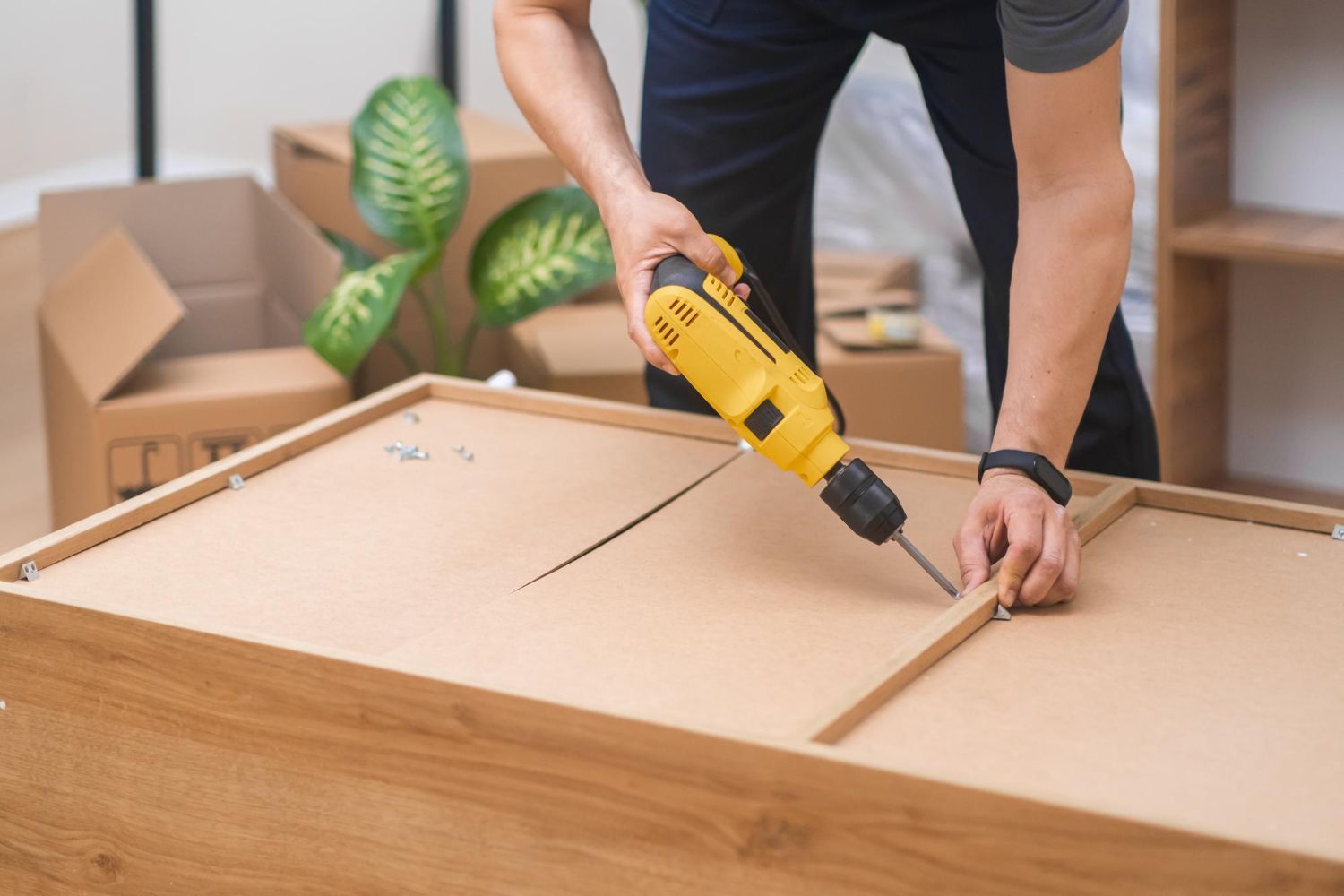
This is also where careful movers make a real difference. Apartment moves often involve narrow stairwells, tight hallway corners, and elevators, all places where a sofa or dresser can scrape a wall or gouge a door frame. That is one more reason to work with movers who take their time on the way out, and you can read how we approach that part of the job on our loading and unloading page. Our furniture assembly service can also take apart beds and other large pieces so they leave the apartment more easily.
If your deposit doesn’t come back
If the 30 days pass and you haven’t received your deposit or a written list of deductions, a polite written request to the landlord is a sensible first step. The law gives that request some weight, because Section 92.109 says a landlord who fails to return the deposit or provide a written itemization within 30 days after the tenant surrenders the premises is presumed to have acted in bad faith, and a landlord who keeps a deposit in bad faith can owe $100, three times the amount wrongfully withheld, and the tenant’s reasonable attorney’s fees.
TexasLawHelp.org notes that if you disagree with the deductions or your deposit isn’t refunded, you can sue in small claims court to recover it. If your situation is complicated, a free legal aid office or a licensed attorney is the right place to turn.
Planning your move out
A calm, careful move out makes everything else on this list easier. If you’re leaving an apartment in San Antonio, our local moving crews would be glad to help, and our professional packing team can box up your things so you have time to clean and take those photos. You can call us at (210) 761‑6595 or request a free quote online.
Share This Blog